Debit Cards vs. Credit Cards: Which Is Better for Everyday Spending?

Debit and credit cards both make everyday payments convenient, but they operate on different financial models.
Debit and credit cards both make everyday payments convenient, but they operate on different financial models.

Debit cards are often associated with everyday banking, but they can still carry several types of fees. Understanding them can help you avoid unnecessary costs.
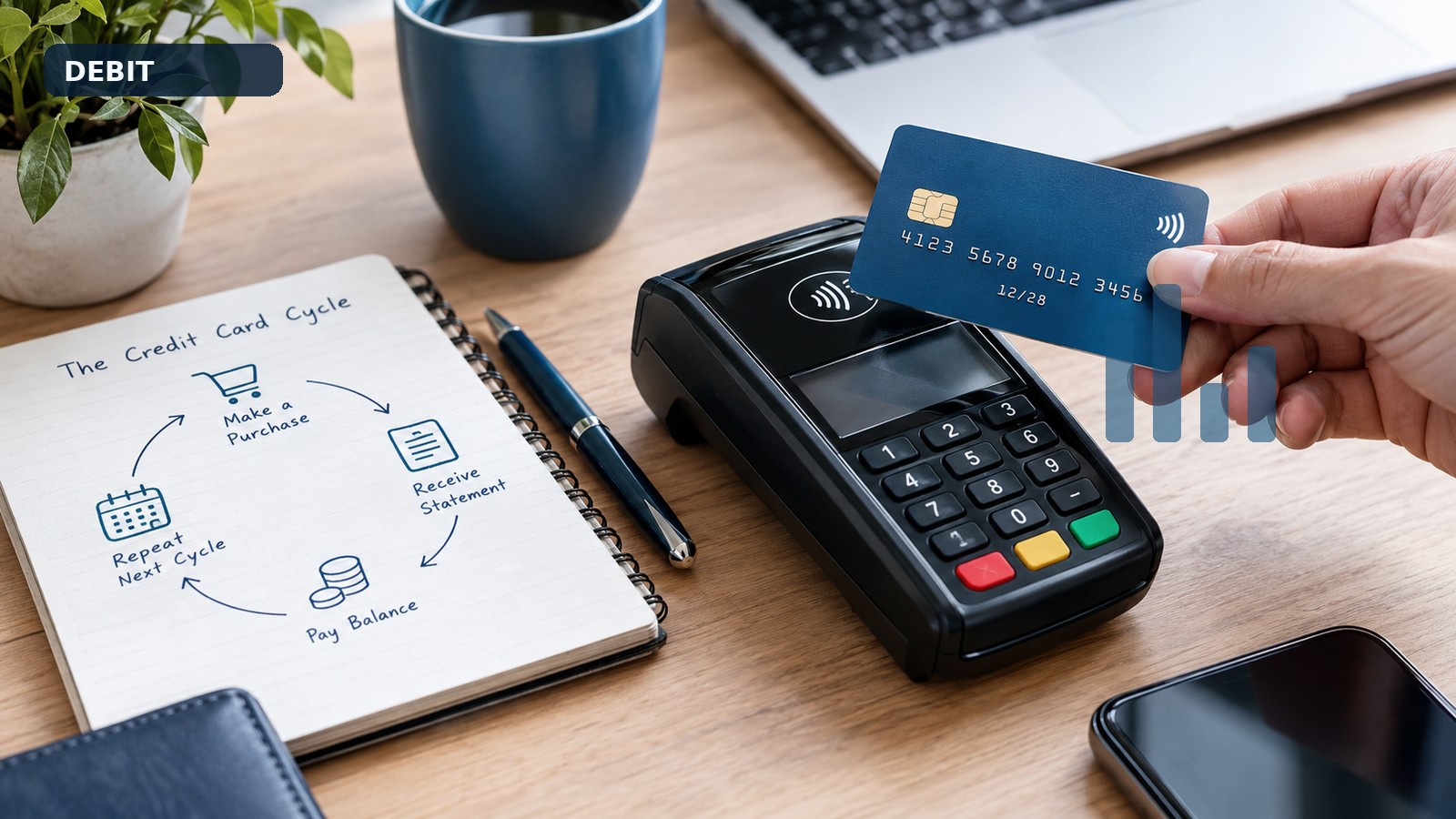
A debit card is linked to a bank account and is generally used to access money you already have rather than borrowing through a revolving credit line.

Discovering an unfamiliar card transaction can be stressful, but acting quickly can limit further problems.

Credit card payments can be approached in several ways, but the financial consequences are very different.

A balance transfer moves eligible debt from one credit account to another, often to take advantage of a promotional interest rate. It can reduce borrowing costs, but it is not a way to make debt disappear.

Travel credit cards can combine rewards with benefits intended for people who frequently take flights, stay in hotels, or make purchases abroad. They can be valuable, but their higher fees and more complicated rewards structures require careful comparison.

Cash back cards are popular because the reward is easy to understand. Instead of collecting complicated points, the cardholder receives a percentage of eligible purchases back according to the program’s rules.
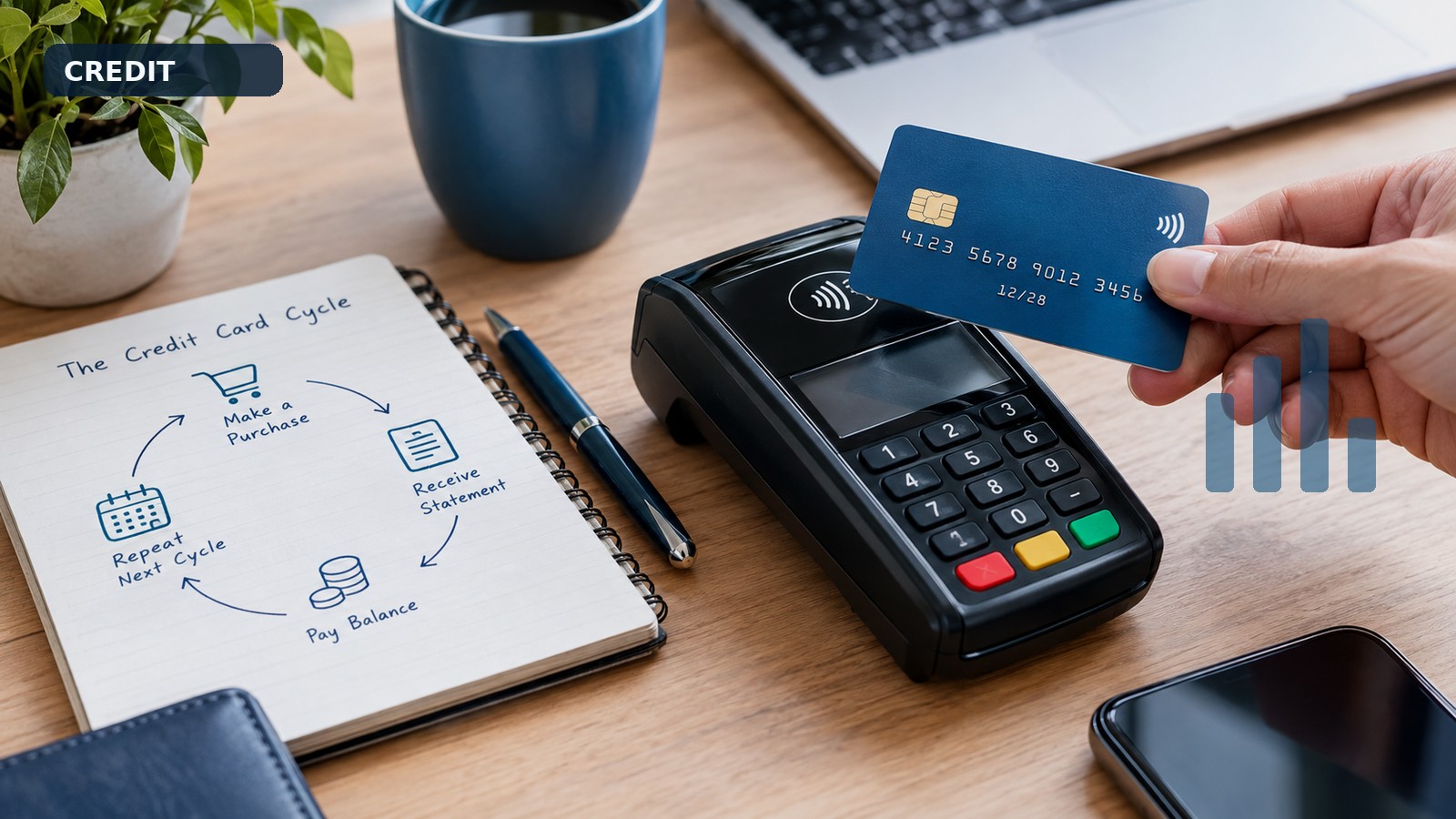
Rewards can make a credit card more attractive, but a reward is only valuable when it improves your finances rather than encouraging additional spending.

A credit card statement is more than a bill. It is a record of account activity that can help you understand what you spent, what you owe, and when payment is required.