Credit Card Limits: What Determines How Much You Can Borrow?

A credit limit is the maximum balance a card issuer generally allows on a credit card account. It is not free money, and having a larger limit does not mean you have a larger budget.

Secured and unsecured credit cards can look similar at checkout, but they work differently when the account is opened.
Choosing a first credit card is less about finding the most impressive rewards program and more about finding a product that is easy to manage. A beginner-friendly card should have terms you understand and a payment structure that fits your budget.
A credit card’s advertised rewards or welcome offer can attract attention, but fees often determine whether a card is genuinely useful. Reading the fee schedule before applying can prevent unpleasant surprises.
Credit card interest is one of the most important costs to understand before using a card regularly. The interest rate tells you how expensive borrowing can become when a balance is carried rather than paid in full.
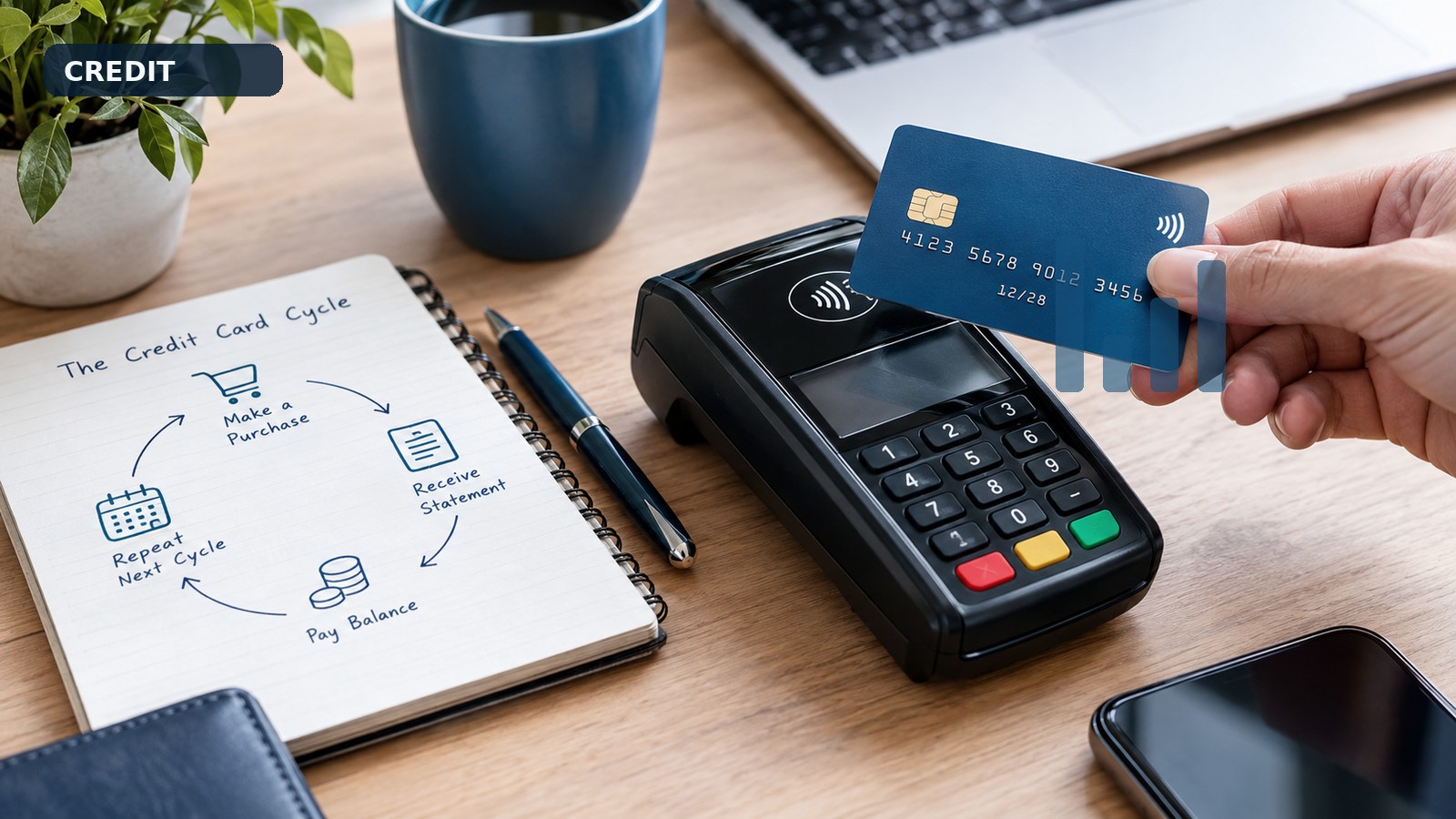
Credit cards can look complicated at first, but the basic idea is straightforward. A card issuer gives you access to a revolving line of credit, allowing you to make purchases now and repay the balance later. Unlike a debit card, the money does not normally leave your bank account immediately.