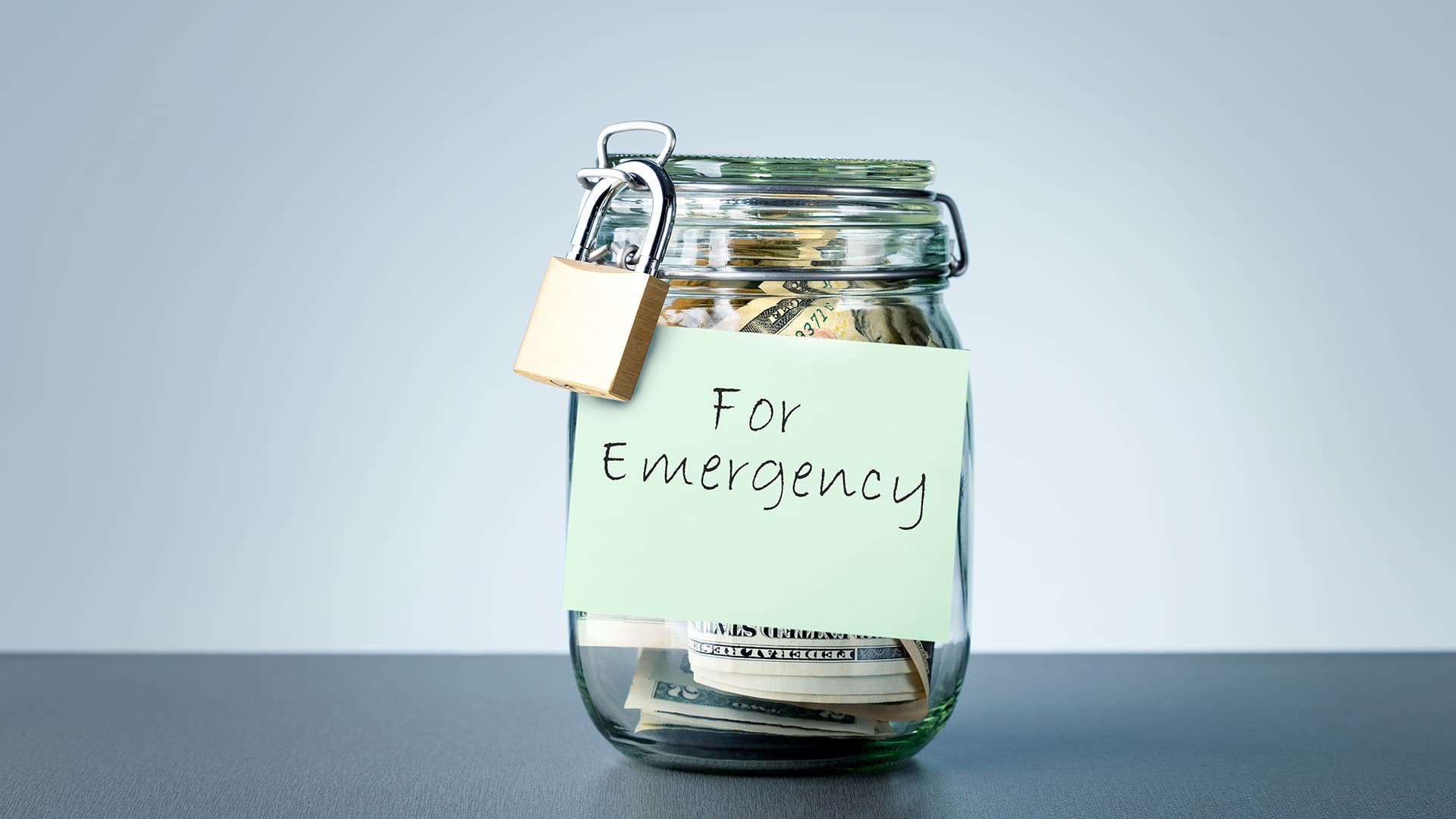
An emergency fund is money set aside specifically for unexpected expenses or periods when your income is disrupted. It can help you handle financial surprises without relying on credit cards, loans, or money intended for other goals.
Building an emergency fund may take time, particularly if your income is limited or you have significant monthly expenses. However, even a small reserve can provide useful financial protection.
What Is an Emergency Fund?
An emergency fund is a dedicated pool of savings that you use for genuine financial emergencies.
Examples can include an unexpected car repair, urgent home expense, necessary medical costs, or a period without your normal income.
It is different from money saved for planned expenses. If you are saving for a vacation, a new phone, or an annual insurance payment, those funds generally shouldn’t be considered part of your emergency savings.
Keeping the money separate makes it easier to know how much protection you actually have.
Why Is an Emergency Fund Important?
Unexpected expenses can appear at any time. Without savings, you may have to use a credit card, take out a loan, sell investments, or borrow money from someone else.
Using debt to cover an emergency can create additional financial pressure because the original expense is followed by interest charges or monthly payments.
An emergency fund provides another option. Instead of turning an unexpected expense into long-term debt, you can use money that has already been set aside.
It can also provide protection when your income changes. Someone who loses a job or experiences a reduction in working hours may need savings to cover essential expenses while looking for another source of income.
How Much Should You Save?
There isn’t a single emergency-fund amount that works for everyone.
A common target is enough money to cover several months of essential living expenses. Someone with stable employment and relatively low fixed costs may be comfortable with a smaller reserve, while someone with variable income or significant financial responsibilities may prefer a larger one.
Start by calculating your essential monthly expenses. Include costs such as:
- Housing
- Utilities
- Groceries
- Transportation
- Minimum debt payments
- Necessary healthcare
- Other essential household expenses
Once you have this figure, you can estimate how much savings you would need to cover several months of basic costs.
For example, if your essential expenses total $2,000 per month, saving $6,000 would provide approximately three months of essential expenses.
The calculation is only a starting point. Your employment situation, household income, dependents, debt obligations, and access to other resources should also influence your target.
Start With a Smaller Goal
Saving several months of expenses can sound overwhelming if you are starting with nothing.
Instead of focusing immediately on a large target, create a smaller initial milestone.
For example, you could aim to save $500 or $1,000 first. Once you reach that amount, continue building the fund gradually.
Smaller goals can make the process feel more achievable and help establish a consistent saving habit.
The important thing is to begin. Waiting until you can afford to save a large amount may result in never building the fund at all.
Keep Emergency Savings Accessible
Emergency savings should generally be kept somewhere that is relatively safe and easy to access.
The purpose of the money is to provide financial protection when you need it, so putting your emergency fund into highly volatile investments may expose you to unnecessary risk.
A savings account or another appropriate cash-based account can make more sense for money that may need to be accessed quickly.
The best option depends on your country, available financial products, interest rates, and personal circumstances.
Don’t Mix Emergency Savings With Everyday Spending
Keeping emergency savings separate from your everyday spending account can reduce the temptation to use it for ordinary purchases.
If possible, use a separate savings account or another clearly identified account.
You can also automate regular transfers into the account. Even a modest automatic contribution can gradually build a meaningful reserve without requiring a new decision every month.
For example, transferring $50 or $100 after each paycheck may seem small initially, but consistency can make a significant difference over time.
What Counts as an Emergency?
One of the most important parts of maintaining an emergency fund is deciding when you should actually use it.
A genuine emergency is usually an unexpected expense that is necessary and cannot reasonably be postponed.
A major repair, urgent medical expense, or temporary loss of income could qualify.
A discounted television, spontaneous vacation, or routine shopping purchase generally would not.
Having clear rules can prevent the fund from slowly becoming another spending account.
Rebuild the Fund After Using It
Using your emergency fund doesn’t mean the system failed.
If you need to spend some or all of your savings on a legitimate emergency, the next priority should be rebuilding the balance.
You may temporarily reduce discretionary spending or redirect money that was going toward less urgent financial goals.
Once the emergency has passed, return to your normal saving routine until the fund reaches your desired level again.
Reassess Your Target Over Time
Your emergency-fund target shouldn’t necessarily remain unchanged forever.
If your rent increases, you take on additional debt, have children, change careers, or become responsible for other major expenses, your financial needs may change.
Likewise, if your income becomes more stable or your essential expenses decrease, you may decide that a different level of savings is appropriate.
Review your emergency fund periodically alongside your overall budget.
Start Building Your Financial Safety Net
An emergency fund won’t prevent unexpected expenses, but it can make those expenses easier to handle.
Start with a realistic goal, contribute consistently, keep the money accessible, and gradually work toward a reserve that reflects your essential expenses and financial circumstances.
The most important step is simply to begin building the fund. Financial security is often created through small, consistent decisions rather than one large contribution.
Leave a Reply