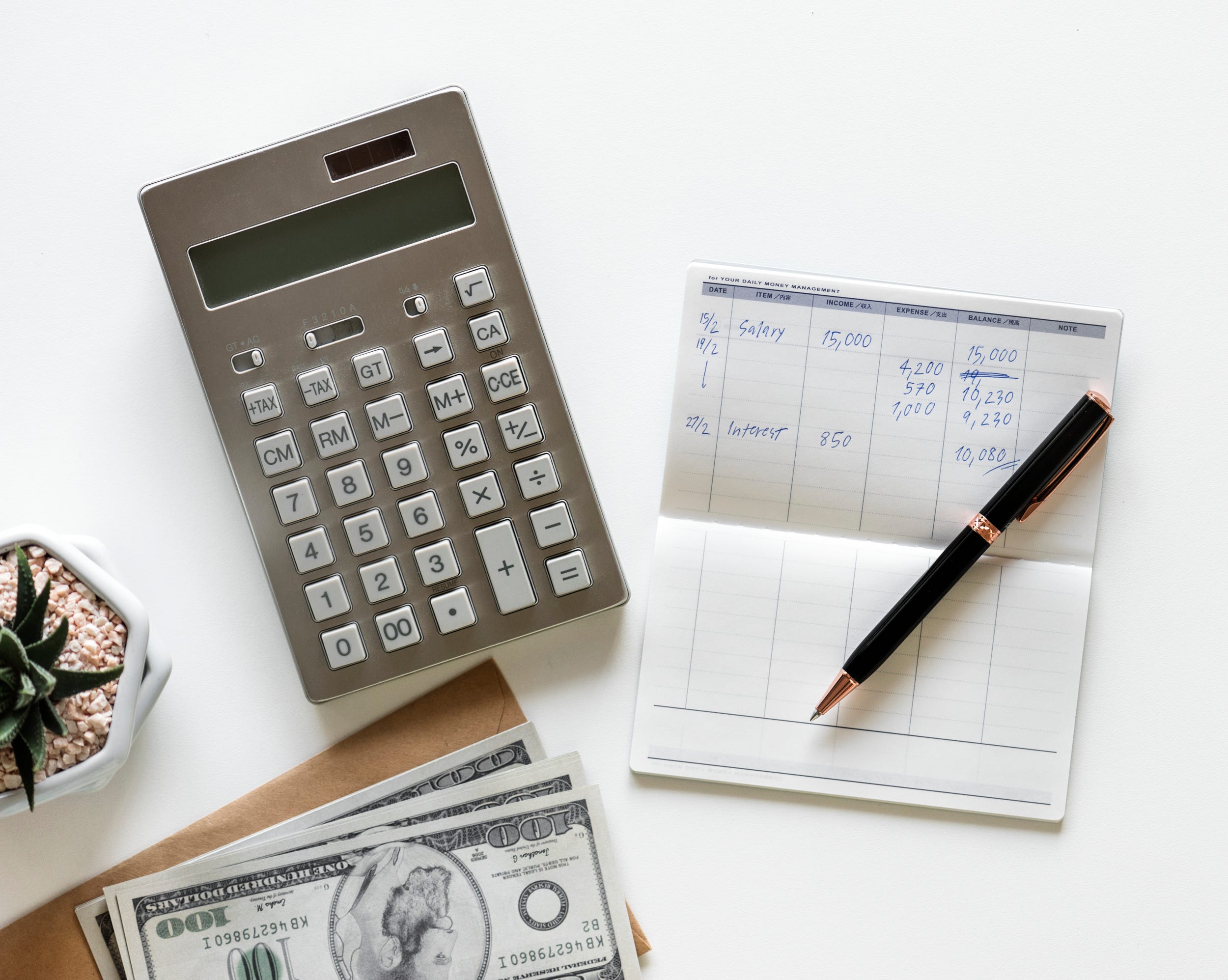
Creating a personal budget can seem restrictive, especially if you associate budgeting with cutting out everything you enjoy. In reality, a good budget is less about limiting your spending and more about giving your money a clear purpose.
A practical budget helps you understand where your income goes, identify unnecessary expenses, prepare for unexpected costs, and make steady progress toward financial goals. The key is creating a system that reflects your actual lifestyle rather than one that looks perfect on paper but is impossible to maintain.
Start With Your Monthly Income
The first step is determining how much money you have available each month.
If you receive a regular salary, this may be relatively straightforward. Use your take-home pay rather than your gross salary because your budget should be based on the money that actually reaches your bank account.
If your income varies from month to month, consider using an average based on several recent months. You can also build your regular budget around a conservative income estimate and treat additional income as money for savings, debt repayment, or other financial goals.
Knowing your reliable monthly income gives you a realistic starting point.
Track Where Your Money Goes
Before deciding how much you should spend, find out how much you already spend.
Review your bank statements, credit card statements, cash purchases, subscriptions, and recurring payments. Categorize your expenses into groups such as housing, food, transportation, utilities, entertainment, debt payments, and savings.
This process often reveals spending patterns that are easy to overlook.
For example, an individual might think they spend very little on entertainment but discover that several small purchases throughout the month add up to a significant amount. Similarly, forgotten subscriptions and recurring charges can quietly consume part of a monthly budget.
Tracking your spending gives you actual numbers to work with instead of relying on estimates.
Separate Needs From Wants
Once you understand your spending, divide expenses into essential and nonessential categories.
Needs generally include expenses required to maintain your household and meet important financial obligations. These might include rent or mortgage payments, utilities, groceries, transportation, insurance, and minimum debt payments.
Wants are expenses that improve your lifestyle but aren’t essential. Restaurants, entertainment, shopping, subscriptions, and vacations can fall into this category.
This distinction doesn’t mean wants should disappear from your budget. A sustainable budget should leave room for enjoyable spending. The goal is to make those purchases intentional rather than allowing them to consume money that was needed elsewhere.
Give Every Part of Your Income a Purpose
After identifying your expenses, decide where the rest of your income should go.
A basic structure might include:
- Essential living expenses
- Discretionary spending
- Debt repayment
- Emergency savings
- Long-term investments
- Short-term financial goals
The exact percentages will depend on your income, debt, household situation, and goals. There isn’t one budgeting formula that works equally well for everyone.
Someone with substantial debt may prioritize repayment, while someone with a strong emergency fund may be able to direct more money toward investing.
The important thing is that your income is allocated deliberately.
Build an Emergency Fund Into the Budget
Unexpected expenses are one of the biggest reasons a budget can fail.
A car repair, medical bill, temporary loss of income, or major household expense can quickly disrupt your finances if you don’t have money set aside for emergencies.
Start with a manageable target rather than waiting until you can save a large amount. Even a small emergency fund can provide some protection against unexpected costs.
Once you establish the habit of saving, you can gradually increase the amount until you have a stronger financial cushion.
Review Recurring Expenses
Recurring expenses deserve special attention because they continue taking money from your budget automatically.
Review your subscriptions, memberships, service plans, and other recurring charges periodically. Ask whether you still use each service and whether the expense is worth keeping.
You may also be able to reduce certain bills by changing plans, negotiating rates, or switching providers.
Cutting one large recurring expense can have a greater long-term impact than constantly trying to eliminate small purchases.
Make Your Budget Flexible
A budget should guide your spending, not become a source of constant frustration.
Some months will naturally be more expensive than others. Holidays, travel, annual bills, school expenses, or unexpected repairs can all create temporary increases in spending.
Instead of treating these situations as failures, account for them where possible. You can create separate savings categories for predictable annual expenses and adjust discretionary spending when necessary.
Flexibility makes it easier to maintain a budget over the long term.
Automate Your Savings
One of the simplest ways to make a budget easier to follow is to automate important financial transfers.
If possible, arrange for money to move into a savings or investment account shortly after you receive your income. This reduces the temptation to spend money that you intended to save.
Automation can also help with recurring bills and debt payments, reducing the likelihood of missed payments.
The less you have to remember manually, the easier it becomes to maintain consistent financial habits.
Review Your Budget Regularly
Your budget shouldn’t be something you create once and forget.
Set aside time at least once a month to compare your planned spending with what actually happened. Look for categories where you consistently overspend and determine whether the problem is your spending habits or whether the original budget was unrealistic.
Your financial situation can also change. A salary increase, new loan, higher rent, or major life event may require you to adjust your budget.
Think of your budget as a financial system that evolves with your circumstances.
A Good Budget Should Make Money Easier
The purpose of a personal budget isn’t to make every financial decision complicated. A good budget should actually make money management easier by giving you a clear idea of what you can spend, save, and invest.
Start with accurate income and spending information, prioritize essential expenses, make room for savings and financial goals, and review the plan regularly.
You don’t need a perfect system from the beginning. A simple budget that you can consistently follow is far more valuable than a complicated one that you abandon after a few weeks.
Leave a Reply