Category: Financial Markets

  • What Is Market Capitalization and Why Does It Matter?

    What Is Market Capitalization and Why Does It Matter?

    When investors compare companies in the stock market, one of the first things they often look at is the company’s market capitalization. Market capitalization, commonly called market cap, provides a simple way to estimate the total market value of a publicly traded company’s outstanding shares.

    Market cap is useful because it gives investors a quick idea of a company’s size relative to other companies. It is also widely used to divide stocks into categories such as large-cap, mid-cap, and small-cap stocks.

    However, market capitalization does not tell you everything about a company. Understanding what it measures—and what it does not—can help investors interpret stock market data more effectively.

    What Is Market Capitalization?

    Market capitalization is calculated by multiplying a company’s current share price by the number of its outstanding shares.

    The basic formula is:

    Market Capitalization = Share Price × Outstanding Shares

    For example, imagine a company has 100 million outstanding shares and its stock trades at $50 per share.

    Its market capitalization would be:

    100 million × $50 = $5 billion

    The company would therefore have a market capitalization of $5 billion.

    Because stock prices change throughout the trading day, a company’s market capitalization can also change continuously.

    Why Market Cap Is Different From Share Price

    A common mistake is assuming that a stock with a higher share price is automatically a larger company.

    That is not necessarily true.

    Imagine Company A has 10 million shares trading at $100 each. Its market capitalization is $1 billion.

    Company B has 500 million shares trading at $10 each. Its market capitalization is $5 billion.

    Although Company A has the higher share price, Company B is worth more in terms of total equity market value.

    This is why market capitalization is generally more useful than share price when comparing the relative size of companies.

    Large-Cap Stocks

    Large-cap companies are businesses with relatively large market capitalizations.

    These companies are often well-established and may operate across multiple markets or countries. Many major technology companies, financial institutions, consumer brands, and industrial businesses fall into this category.

    Large-cap stocks are often associated with greater stability compared with smaller companies, although size does not eliminate investment risk.

    A large company can still experience major declines in its stock price because of poor financial results, economic conditions, industry disruption, or changing investor expectations.

    Mid-Cap Stocks

    Mid-cap companies sit between large-cap and small-cap businesses.

    They may already have established products, customers, and revenue streams but still have significant room for expansion.

    Because of this, some investors view mid-cap stocks as occupying a middle ground between the stability associated with larger companies and the growth potential that can exist among smaller businesses.

    However, mid-cap stocks can also experience greater price volatility and may have fewer financial resources than the largest companies.

    Small-Cap Stocks

    Small-cap companies have relatively small market capitalizations compared with large and mid-cap businesses.

    Many small companies are still developing their business models, expanding into new markets, or trying to establish themselves within competitive industries.

    This can create opportunities for substantial growth if a company succeeds.

    At the same time, smaller companies can face greater risks. They may have less access to capital, narrower revenue sources, weaker competitive positions, or greater exposure to economic downturns.

    Small-cap stocks can therefore experience significant price movements.

    Does Market Cap Measure a Company’s True Value?

    Market capitalization represents the market value of a company’s outstanding equity, but it should not be confused with the company’s total economic value.

    A company’s market cap does not directly account for all of its debt or cash holdings.

    This is one reason analysts sometimes use enterprise value when comparing businesses.

    Enterprise value generally incorporates the value of a company’s equity along with debt and certain other claims, while accounting for cash.

    The two measures answer different questions, so investors should choose the appropriate metric depending on what they are trying to analyze.

    Why Market Cap Changes

    The most obvious reason market capitalization changes is that the stock price changes.

    If a company has one billion shares outstanding and its stock rises from $20 to $25, its market capitalization increases from $20 billion to $25 billion.

    Market capitalization can also change when the number of outstanding shares changes.

    For example, a company may issue new shares to raise capital, increasing the number of shares outstanding. Alternatively, a company may repurchase shares, reducing the number of shares in circulation.

    These actions can affect market capitalization even if the stock price does not change proportionally.

    Market Cap and Stock Market Indexes

    Market capitalization plays an important role in the construction of many stock market indexes.

    Some major indexes use market-cap weighting, meaning larger companies have a greater influence on the index’s performance.

    For example, if a very large company experiences a significant change in its stock price, it can have a noticeable effect on a market-cap-weighted index.

    This is one reason investors should understand how an index is constructed rather than assuming every company contributes equally to its performance.

    Does a Larger Market Cap Mean a Better Investment?

    Not necessarily.

    A large company may have strong finances, established operations, and a long history of generating revenue. But investors may already expect significant future growth and therefore assign the company a high valuation.

    If those expectations are not met, the stock price can decline.

    Smaller companies can have more room for expansion, but they may also face greater operational and financial risks.

    Market capitalization therefore describes size, not investment quality.

    Investors still need to consider factors such as revenue, earnings, debt, cash flow, valuation, competitive advantages, management, and future growth prospects.

    Why Investors Pay Attention to Market Cap

    Market capitalization provides a useful starting point for understanding the stock market.

    It helps investors compare companies of different sizes, understand the composition of indexes, and categorize stocks according to their relative scale.

    It can also help investors think about diversification. A portfolio concentrated entirely in large companies may behave differently from one that includes mid-cap and small-cap stocks.

    However, market cap should be viewed as one piece of information rather than a complete measure of investment risk or potential return.

    The Key Takeaway

    Market capitalization is the total market value of a company’s outstanding shares.

    The basic calculation is:

    Share Price × Outstanding Shares = Market Capitalization

    It is commonly used to classify companies as large-cap, mid-cap, or small-cap and plays an important role in how many stock market indexes are constructed.

    Most importantly, market capitalization measures a company’s size in the stock market, not whether its shares are cheap, expensive, safe, or attractive.

    Understanding that distinction gives investors a better foundation for comparing companies and interpreting financial market data.

  • What Is a Yield Curve and Why Does It Matter?

    What Is a Yield Curve and Why Does It Matter?

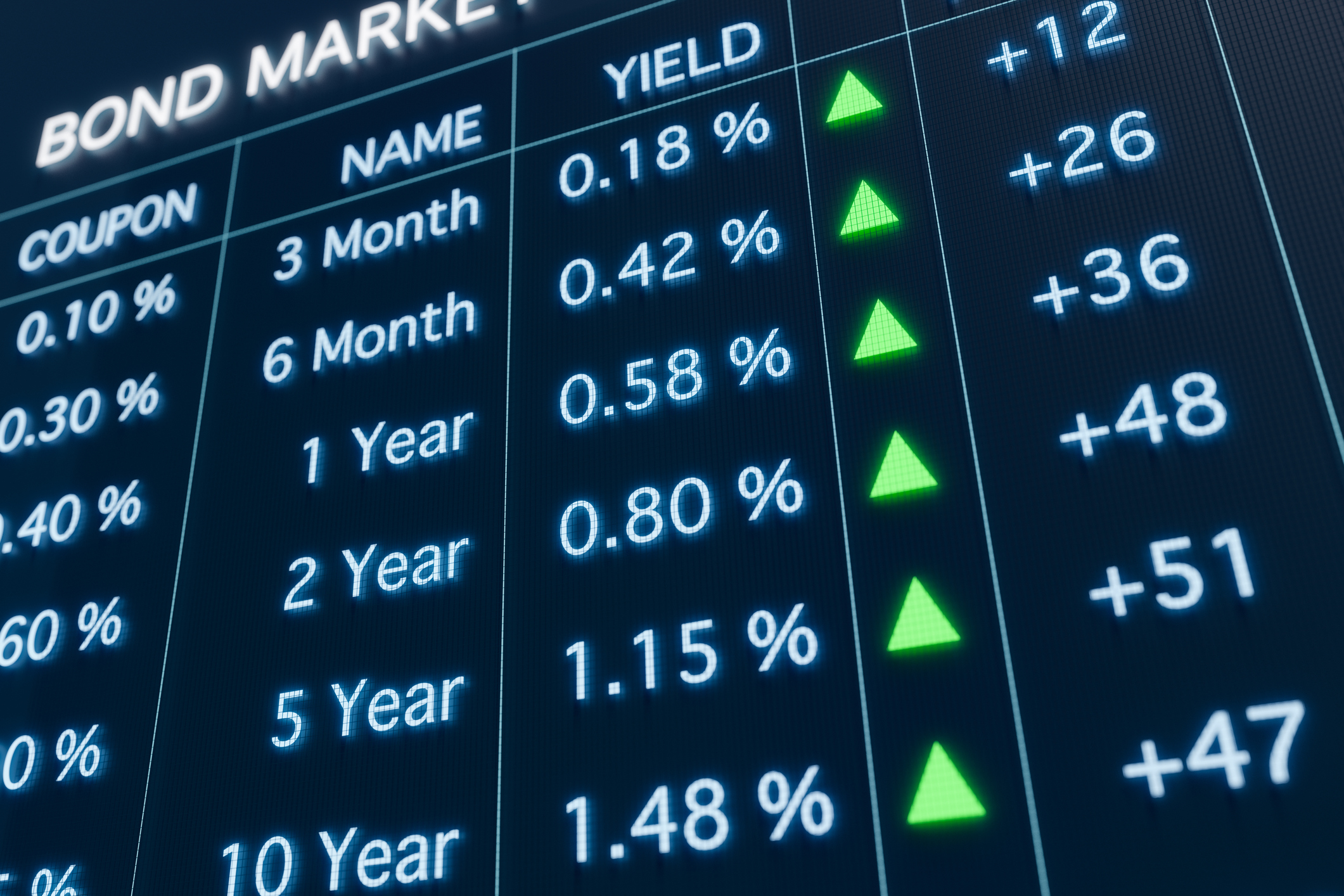
    The bond market contains a huge amount of information about how investors view the economy. One of the most closely watched indicators is the yield curve, which compares the interest rates, or yields, of bonds with different maturity dates.

    The yield curve is particularly useful because it can provide clues about expectations for interest rates, inflation, economic growth, and financial conditions. It can also help explain why investors pay attention to the relationship between short-term and long-term interest rates.

    Understanding the yield curve does not require advanced financial knowledge. At its core, it is simply a way of comparing borrowing costs across different time periods.

    What Is a Yield Curve?

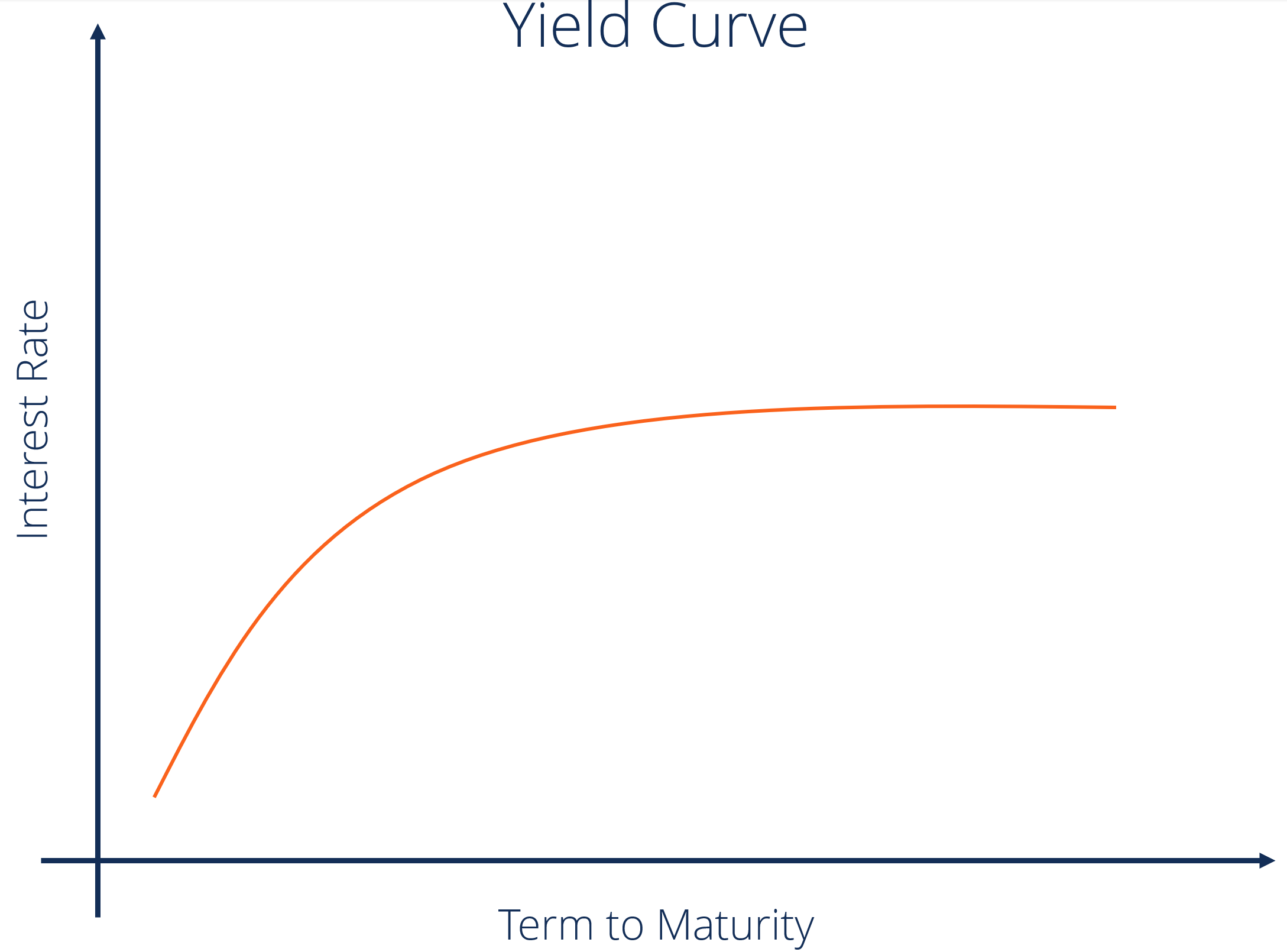
    A yield curve is a graphical representation of bond yields across different maturities.

    The most commonly discussed yield curve is based on government bonds because these securities are generally considered important benchmarks for the broader financial system.

    Imagine that government bonds have the following yields:

    • 2-year bond: 3.5%
    • 5-year bond: 3.8%
    • 10-year bond: 4.1%
    • 30-year bond: 4.5%

    When these yields are plotted on a graph, they create an upward-sloping curve.

    The horizontal axis represents the amount of time until the bonds mature, while the vertical axis represents their yields.

    By looking at the shape of the curve, investors can see how the market is pricing different periods of time.

    What Is a Normal Yield Curve?

    A typical yield curve slopes upward.

    This means longer-term bonds have higher yields than shorter-term bonds.

    There are several reasons this can happen. Investors may require additional compensation for committing their money for a longer period. They also face greater uncertainty about future inflation, economic conditions, and interest rates.

    For example, an investor may be comfortable lending money to a government for two years at 3%. But committing that money for thirty years could require a higher return because much more can change over that period.

    An upward-sloping curve can therefore indicate that investors expect some combination of economic growth, inflation, and higher future interest rates.

    What Is an Inverted Yield Curve?

    An inverted yield curve occurs when short-term yields are higher than long-term yields.

    For example:

    • 2-year bond: 4.5%
    • 5-year bond: 4.1%
    • 10-year bond: 3.8%
    • 30-year bond: 3.7%

    Instead of rising as maturity increases, yields decline.

    An inverted yield curve often attracts attention because it can reflect expectations that interest rates will eventually fall.

    If investors believe economic growth will weaken and central banks will reduce interest rates in the future, they may be willing to accept lower yields on longer-term bonds.

    Why Does the Yield Curve Matter?

    The yield curve matters because interest rates influence almost every part of the financial system.

    Government bond yields can affect borrowing costs for businesses, mortgages, consumer loans, and other financial products.

    The shape of the yield curve can also provide information about how investors view future economic conditions.

    For example, a steepening curve may reflect changing expectations about growth or interest rates, while a flattening curve can indicate that the difference between short-term and long-term borrowing costs is narrowing.

    The curve is therefore watched by investors, economists, banks, businesses, and policymakers.

    Does an Inverted Yield Curve Guarantee a Recession?

    No.

    An inverted yield curve has historically appeared before some recessions, which is why it receives so much attention. However, it should not be treated as a guaranteed recession signal.

    Financial markets are constantly responding to new information, and the reasons behind an inversion can vary.

    For example, an inversion may reflect expectations of future interest-rate cuts without necessarily indicating an imminent economic collapse.

    Investors should therefore view the yield curve as one economic indicator among many rather than as a precise forecasting tool.

    What Is a Flat Yield Curve?

    A flat yield curve occurs when short-term and long-term yields are relatively close to each other.

    For example, a 2-year government bond might yield 4.0%, while a 10-year bond yields 4.1%.

    There is little difference between the two.

    A flat curve can indicate uncertainty about the future. Investors may be unsure whether interest rates will rise, fall, or remain relatively stable.

    The shape can also change over time as economic expectations develop.

    What Causes the Yield Curve to Change?

    The yield curve can move because of changing expectations about monetary policy, inflation, economic growth, and investor demand.

    Central bank decisions can have a significant effect on short-term interest rates.

    However, longer-term yields are influenced by broader expectations about the economy. Investors consider where inflation and interest rates might be several years from now, not just where they are today.

    Large changes in demand for government bonds can also influence yields. When demand increases, bond prices generally rise and yields fall. When demand weakens, prices can decline and yields can rise.

    The Yield Curve and Central Banks

    Central banks pay close attention to financial conditions when making monetary policy decisions.

    When a central bank raises short-term interest rates, shorter-maturity bond yields may respond quickly. Longer-term yields may move differently depending on what investors expect will happen to inflation and economic growth.

    This can cause the yield curve to steepen, flatten, or invert.

    The important point is that the yield curve reflects both current interest rates and market expectations about the future.

    How Investors Use the Yield Curve

    Investors can use the yield curve to understand the relative attractiveness of bonds with different maturities.

    A pension fund, bank, investment manager, or individual investor might examine the curve when deciding whether to hold short-term or long-term bonds.

    The curve can also influence decisions in other financial markets. Changes in government bond yields can affect stock valuations, corporate borrowing costs, and currency markets.

    However, the yield curve does not tell investors exactly what will happen next. It describes current market pricing and expectations, which can change rapidly when new economic information becomes available.

    Why the Yield Curve Is Important to Financial Markets

    The yield curve connects several major parts of the financial system.

    It reflects expectations about interest rates and inflation, influences borrowing costs, and provides information about how investors view economic conditions.

    Rather than focusing on one particular yield, investors can examine the entire curve to understand how the market values money across different time periods.

    That makes the yield curve one of the most useful tools for understanding the bond market and the broader financial environment.

    The Key Takeaway

    The yield curve shows how bond yields vary across different maturities.

    An upward-sloping curve generally means longer-term yields are higher than short-term yields.

    A flat curve means yields across different maturities are relatively similar.

    An inverted curve means short-term yields are higher than long-term yields.

    The shape of the curve can provide valuable information about expectations for interest rates, inflation, and economic growth. But it is best used as part of a broader analysis rather than as a standalone prediction of what the economy will do next.

  • Government Bonds vs. Corporate Bonds: What’s the Difference?

    Government Bonds vs. Corporate Bonds: What’s the Difference?

    Bonds are an important part of financial markets, but not all bonds carry the same risks or offer the same potential returns. Two of the most common categories are government bonds and corporate bonds.

    Both involve lending money to an issuer in exchange for interest payments and the eventual repayment of the principal. The major difference is who is borrowing the money and how much risk investors believe they are taking.

    Understanding these differences can help investors better understand the bond market and why different bonds offer different yields.

    What Are Government Bonds?

    Government bonds are debt securities issued by national or local governments to raise money.

    Governments may issue bonds to finance public spending, infrastructure projects, budget deficits, or other obligations. Investors who purchase these bonds are effectively lending money to the government.

    Examples include U.S. Treasury securities, UK government bonds known as gilts, and government debt issued by countries around the world.

    Government bonds vary considerably in risk depending on the financial strength and economic stability of the issuing government.

    What Are Corporate Bonds?

    Corporate bonds are issued by companies that need to raise money.

    A company might issue bonds to finance expansion, purchase equipment, acquire another business, develop new products, or refinance existing debt.

    Instead of borrowing entirely from banks, a company can raise money directly from investors through the bond market.

    For example, a company might issue $500 million in bonds with a fixed interest rate and a ten-year maturity. Investors provide the company with capital, while the company agrees to make interest payments and eventually repay the principal.

    The Main Difference: Credit Risk

    One of the biggest differences between government and corporate bonds is credit risk.

    Credit risk is the possibility that the borrower will be unable to make its required payments.

    A financially strong company with stable earnings may have relatively low credit risk. A company carrying significant debt or experiencing financial problems may have substantially greater risk.

    Government bonds can also carry credit risk, particularly when issued by governments with weak finances or unstable economies.

    Investors therefore cannot assume that every government bond is automatically safer than every corporate bond.

    Why Corporate Bonds Often Offer Higher Yields

    Corporate bonds frequently offer higher yields than government bonds with similar maturities.

    The reason is compensation for risk.

    If investors believe a company has a greater chance of experiencing financial difficulties, they generally demand a higher return for lending money to that company.

    For example, suppose a government bond offers a 4% yield while a corporate bond from a financially weaker company offers 7%.

    The additional 3 percentage points may compensate investors for taking on additional credit and other risks.

    A higher yield can therefore be attractive, but it should always be considered alongside the risks responsible for that higher return.

    Credit Ratings and Bond Quality

    Credit rating agencies evaluate many government and corporate borrowers and assign credit ratings based on their assessment of creditworthiness.

    Higher-rated bonds are generally considered to have a lower probability of default, while lower-rated bonds carry greater credit risk.

    Corporate bonds are often divided into investment-grade and high-yield categories.

    Investment-grade bonds are generally issued by companies considered to have relatively strong credit profiles.

    High-yield bonds, sometimes called junk bonds, are issued by companies with lower credit ratings. They generally offer higher yields because investors require greater compensation for accepting additional default risk.

    Government Bonds Can Also Differ in Risk

    It is important not to treat all government bonds as identical.

    A government with strong public finances, stable institutions, and the ability to borrow in its own currency may be viewed very differently from a government experiencing severe economic or political problems.

    Investors therefore examine factors such as government debt levels, economic growth, inflation, fiscal policy, and monetary conditions when evaluating government bonds.

    The yield differences between countries can provide useful information about how investors perceive their relative risks.

    Maturity Matters

    The maturity of a bond also affects its characteristics.

    Short-term bonds mature relatively quickly, while long-term bonds may remain outstanding for decades.

    Long-term bonds can be more sensitive to changes in interest rates because investors are committed to the bond’s cash flows for a longer period.

    This applies to both government and corporate bonds.

    A ten-year corporate bond and a ten-year government bond may respond differently to economic developments because of their different credit risks, but both can be affected by changes in market interest rates.

    Government Bonds and Corporate Bonds During Economic Changes

    Economic conditions can affect the two markets differently.

    During periods of economic uncertainty, investors may become more cautious about companies’ ability to generate profits and repay debt. This can increase demand for bonds considered safer while putting pressure on riskier corporate bonds.

    During strong economic periods, corporate bonds can benefit from improving business conditions and stronger company finances.

    However, interest rates remain important for both markets. Rising rates can put downward pressure on existing bond prices, while falling rates can support them.

    Income and Investment Objectives

    Investors may choose government or corporate bonds depending on their objectives.

    Government bonds may appeal to investors who prioritize relative stability and predictable income.

    Corporate bonds may appeal to investors willing to accept additional credit risk in exchange for potentially higher yields.

    Neither category is automatically appropriate for every investor. The decision depends on factors such as investment horizon, income requirements, risk tolerance, and the overall composition of a portfolio.

    How Bonds Fit Into Financial Markets

    Government and corporate bonds play different but interconnected roles in the financial system.

    Government bond markets help governments finance spending while also providing important reference points for interest rates throughout the economy.

    Corporate bond markets give businesses another way to access capital beyond traditional bank lending.

    Together, these markets help move money from investors with capital to borrowers that need financing.

    Bond yields also influence other areas of finance. Changes in government bond yields can affect corporate borrowing costs, mortgage rates, stock valuations, and investment decisions across financial markets.

    The Key Takeaway

    Government bonds and corporate bonds both represent loans made by investors, but the risks and potential returns can differ significantly.

    Government bonds are issued by governments and may offer relatively lower credit risk depending on the issuer. Corporate bonds are issued by companies and often provide higher yields to compensate investors for greater credit risk.

    The important point is that higher yield generally comes with additional risk.

    Understanding the difference between these two types of bonds is an essential step toward understanding how fixed-income markets work and how investors evaluate risk, return, and interest rates.

  • Bond Prices and Interest Rates- Why They Move in Opposite Directions

    Bond Prices and Interest Rates- Why They Move in Opposite Directions

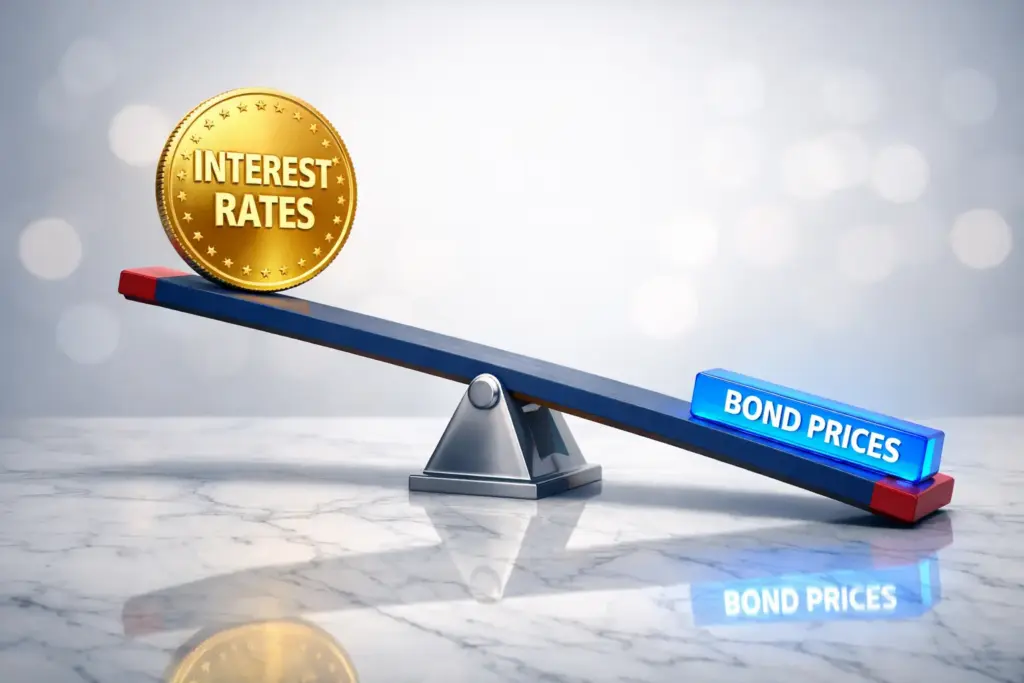
    One of the most important relationships in financial markets is the connection between bond prices and interest rates. When interest rates rise, existing bond prices generally fall. When interest rates decline, existing bond prices generally rise.

    At first, this relationship can seem confusing. A bond is still paying the same interest it promised when it was issued, so why should its market price change?

    The answer becomes clearer when you compare an existing bond with the new bonds available in the market.

    Why Bond Prices Change

    Consider a bond with a face value of $1,000 that pays 4% annual interest. The investor receives $40 each year.

    Now imagine that market interest rates rise and newly issued bonds with similar risk begin offering 6%.

    An investor choosing between the old 4% bond and a new 6% bond would generally prefer the new bond because it provides more income for a similar level of risk.

    The owner of the 4% bond may therefore have to sell it for less than $1,000 to make it attractive to another investor.

    The bond’s coupon payment has not changed. Instead, its market price changes so that its return becomes more competitive with current interest rates.

    What Happens When Interest Rates Fall?

    The reverse happens when interest rates decline.

    Suppose the same $1,000 bond pays 4% while newly issued bonds with similar characteristics now offer only 2%.

    The existing bond is relatively attractive because it pays more interest than newly issued alternatives.

    Investors may therefore be willing to pay more than $1,000 to purchase it.

    As a result, the bond’s market price can rise above its face value.

    This is why bond prices and interest rates generally move in opposite directions.

    Coupon Rate vs. Yield

    Understanding this relationship requires distinguishing between a bond’s coupon rate and its yield.

    The coupon rate determines the interest payments based on the bond’s face value. A $1,000 bond with a 5% coupon pays $50 per year regardless of whether its market price later rises or falls.

    Yield, however, reflects the return an investor receives relative to the price paid for the bond.

    If that $1,000 bond falls to $900, an investor purchasing it for $900 would still receive the same $50 annual coupon payment. The income represents a higher percentage of the purchase price.

    If the bond rises to $1,100, the same $50 payment represents a smaller percentage of the amount invested.

    This adjustment in yield helps bring older bonds into line with current market conditions.

    Why Interest Rates Matter So Much

    Interest rates influence the cost of borrowing throughout the economy.

    When rates rise, businesses may face higher borrowing costs, consumers may pay more for loans, and investors may demand higher returns from financial assets.

    Central banks can influence short-term interest rates through monetary policy. Their decisions often affect expectations across financial markets, including government and corporate bonds.

    However, bond yields do not simply follow central bank decisions mechanically. Investors also consider inflation, economic growth, government borrowing, employment conditions, and expectations about future interest rates.

    As expectations change, bond prices can move even before a central bank actually changes its policy rate.

    Longer-Term Bonds Can Be More Sensitive

    Not all bonds react to interest-rate changes in exactly the same way.

    Generally, longer-term bonds tend to be more sensitive to changes in interest rates than shorter-term bonds.

    Imagine two bonds with similar credit quality. One matures in one year while the other matures in twenty years.

    If market interest rates suddenly increase, the long-term bond has many more years of relatively lower payments compared with newly available bonds. Its market price may therefore experience a larger decline.

    This sensitivity is one reason investors consider a bond’s duration, which provides an indication of how much its price may respond to changes in interest rates.

    What Happens to Bond Investors When Rates Rise?

    The effect depends partly on whether the investor intends to sell the bond.

    An investor holding an individual bond until maturity may continue receiving the scheduled coupon payments and, assuming the issuer does not default, eventually receive the face value.

    In that situation, temporary changes in market price may be less important.

    However, investors who need to sell before maturity could receive more or less than they originally paid.

    Bond funds and exchange-traded funds can work differently because they continually hold and trade portfolios of bonds. Changes in the market value of their holdings can therefore affect the fund’s price.

    Falling Rates Can Create Different Opportunities

    Declining interest rates can increase the market value of existing bonds with higher coupon rates.

    This can benefit investors who already own those bonds, particularly if they sell them at a higher market price.

    However, falling rates can create challenges for investors who depend on bonds for income. Newly issued bonds may offer lower yields, making it harder to replace maturing investments with securities providing the same level of income.

    This is sometimes referred to as reinvestment risk.

    Inflation Also Matters

    Interest rates cannot be viewed in isolation from inflation.

    If investors expect inflation to remain high, they may demand higher yields to compensate for the possibility that future interest payments will have less purchasing power.

    Higher expected inflation can therefore contribute to rising bond yields and falling bond prices.

    Conversely, expectations of lower inflation can contribute to lower yields and higher bond prices.

    This is one reason bond markets are closely watched for information about investors’ expectations for the economy.

    Why Investors Watch Bond Markets

    The relationship between bond prices and interest rates makes the bond market an important source of information about financial conditions.

    Changes in government bond yields can influence mortgage rates, corporate borrowing costs, stock valuations, and other financial assets.

    For example, rapidly rising bond yields can make bonds more attractive relative to stocks while also increasing borrowing costs for businesses. Falling yields can have the opposite effect, although the broader economic circumstances behind the move matter.

    Bond markets therefore do more than provide a way for governments and companies to borrow money. They also help determine the cost of capital throughout the economy.

    The Key Relationship to Remember

    The basic relationship is straightforward:

    Interest rates rise → existing bond prices generally fall.

    Interest rates fall → existing bond prices generally rise.

    The reason is competition. Investors compare the income available from existing bonds with the yields offered by newly issued bonds. When market rates change, bond prices adjust so that existing securities remain reasonably competitive.

    Understanding this relationship provides an important foundation for analyzing fixed-income markets and helps explain why central bank decisions, inflation expectations, and economic data can have such significant effects on financial markets.

  • What Is a Bond and How Does the Bond Market Work?

    What Is a Bond and How Does the Bond Market Work?

    When companies and governments need to raise money, they have several options. One of the most common is issuing bonds. Bonds are a major part of the global financial system and play an important role in everything from government spending to corporate expansion and investment portfolios.

    For investors, bonds can provide regular income and help diversify a portfolio. But understanding how bonds work requires knowing what happens when a bond is issued, how investors earn money from it, and why bond prices can change after the bond enters the market.

    What Is a Bond?

    A bond is essentially a loan made by an investor to a borrower.

    The borrower can be a government, municipality, company, or other organization. In exchange for providing money, the investor typically receives periodic interest payments and the return of the original amount when the bond reaches its maturity date.

    For example, suppose a company issues a five-year bond with a face value of $1,000 and a 5% annual interest rate. An investor who purchases the bond would generally receive $50 per year in interest. At the end of five years, the company would repay the $1,000 principal, assuming it does not default.

    This makes bonds different from stocks. When you buy a stock, you generally become a partial owner of a company. When you buy a bond, you are lending money to the issuer.

    How Does the Bond Market Work?

    The bond market is where bonds are issued and traded.

    It has two major parts: the primary market and the secondary market.

    In the primary market, a government or company sells newly issued bonds to investors to raise money. The proceeds go directly to the issuer.

    In the secondary market, investors trade bonds that have already been issued. The original issuer generally does not receive money from these transactions. Instead, investors buy and sell bonds among themselves.

    This secondary market is important because it allows investors to sell bonds before they mature rather than having to hold them until the repayment date.

    How Investors Make Money From Bonds

    There are two main ways investors can potentially earn money from bonds.

    The first is through interest payments, often called coupon payments. These payments are usually made according to a fixed schedule, such as twice a year.

    The second is through changes in the bond’s market price.

    Suppose an investor buys a bond for $1,000 and later sells it for $1,050. The investor has made a $50 capital gain, excluding interest and transaction costs.

    However, bond prices can also fall. Selling the same bond for $950 would result in a $50 capital loss.

    This means bonds are not automatically risk-free investments simply because they make regular interest payments.

    What Is a Bond’s Face Value?

    A bond’s face value, also called par value, is the amount the issuer promises to repay when the bond matures.

    Many bonds have a face value of $1,000, although actual denominations can vary.

    Face value is different from the bond’s market price. A bond with a $1,000 face value might trade for $950, $1,000, $1,050, or another amount depending on market conditions.

    This distinction is important because the price investors pay for a bond affects the return they actually receive.

    What Is a Bond’s Coupon Rate?

    The coupon rate is the interest rate used to calculate the bond’s scheduled interest payments.

    For example, a $1,000 bond with a 6% coupon rate would generally pay $60 per year in interest.

    However, the coupon rate does not necessarily tell you the return an investor will earn if the bond is purchased on the secondary market.

    If the bond trades for less than $1,000, the investor’s potential yield can be higher than the coupon rate. If it trades above $1,000, the yield can be lower.

    This is one reason investors pay close attention to yield, rather than looking only at the coupon rate.

    Why Do Bond Prices Change?

    Bond prices can change significantly after they are issued.

    One of the biggest factors is the level of interest rates in the broader economy.

    Imagine you own a bond paying 3% interest, while newly issued bonds with similar risk begin paying 5%. Your existing bond becomes less attractive because investors can potentially receive more income from newer bonds.

    As a result, the market price of your 3% bond may fall.

    The opposite can happen when interest rates decline. Existing bonds with higher interest payments can become more attractive, potentially pushing their market prices higher.

    This relationship between bond prices and interest rates is one of the most important concepts in fixed-income investing.

    Who Issues Bonds?

    Governments are among the largest bond issuers.

    National governments issue bonds to help finance public spending, infrastructure, budget deficits, and other obligations. Local governments can also issue bonds to fund projects such as schools, transportation systems, and public facilities.

    Companies issue corporate bonds to raise money for activities such as expansion, acquisitions, research, equipment purchases, or refinancing existing debt.

    Different issuers carry different levels of credit risk. A financially strong government may be viewed as a lower-risk borrower than a highly indebted company.

    What Is Credit Risk?

    Credit risk is the possibility that a bond issuer will fail to make required interest or principal payments.

    Credit rating agencies assess the financial strength and creditworthiness of many bond issuers and assign ratings intended to help investors evaluate this risk.

    Generally, bonds with higher credit quality are considered less risky from a default perspective. Lower-quality bonds may offer higher potential yields because investors demand additional compensation for taking on greater risk.

    This is why a bond offering a very high interest rate is not necessarily a better investment than one offering a lower rate.

    Why Do Investors Buy Bonds?

    Investors may use bonds for several different reasons.

    One is income. Bonds can provide scheduled interest payments, which can be useful for investors seeking predictable cash flow.

    Another is diversification. Bonds may behave differently from stocks, although the relationship between the two asset classes can change depending on economic conditions.

    Investors may also use government bonds or other high-quality bonds to reduce the overall risk of a portfolio.

    The appropriate mix depends on factors such as investment goals, time horizon, income needs, and tolerance for risk.

    The Risks of Investing in Bonds

    Bonds have risks that investors need to understand.

    Interest-rate risk occurs when changing interest rates affect the market value of existing bonds.

    Credit risk is the possibility that an issuer cannot meet its financial obligations.

    Inflation risk occurs when rising prices reduce the purchasing power of future interest payments and principal repayments.

    There can also be liquidity risk, particularly for bonds that are not frequently traded.

    A bond can therefore be more predictable than a stock in some respects while still carrying meaningful investment risk.

    Why the Bond Market Matters

    The bond market is much more than a place where investors search for income. It is an important source of financing for governments and businesses and plays a major role in the broader financial system.

    Bond yields also provide information about market expectations surrounding interest rates, inflation, economic growth, and credit conditions.

    For investors, understanding bonds provides a foundation for understanding interest rates, the yield curve, monetary policy, and many of the forces that influence financial markets.

    Whether someone invests directly in individual bonds or through bond funds and exchange-traded funds, understanding how bonds are priced and traded can make it easier to evaluate risk and potential returns.

  • What Causes Stock Market Crashes and How Do They Affect Investors?

    What Causes Stock Market Crashes and How Do They Affect Investors?

    Stock market crashes are among the most dramatic events in financial markets. Prices can fall rapidly, investors can lose substantial amounts of money, and financial news can become dominated by predictions of further declines.

    Although crashes can be frightening, they are not completely random events. They can develop from economic problems, excessive valuations, financial instability, unexpected shocks, or a combination of factors.

    Understanding what causes market crashes and how they affect investors can make periods of extreme volatility easier to navigate.

    What Is a Stock Market Crash?

    A stock market crash is a rapid and significant decline in stock prices across a broad portion of the market.

    There is no single percentage that officially defines a crash. The term generally refers to a particularly sharp and disruptive decline rather than an ordinary daily drop.

    Markets can fall because investors suddenly reassess the value of companies, become concerned about economic conditions, or rush to sell investments at the same time.

    A crash can develop within days or even hours, although the underlying problems may have been building for much longer.

    Excessive Valuations Can Create Vulnerability

    One factor that can contribute to a market crash is excessive optimism.

    When investors become convinced that asset prices will continue rising, they may be willing to pay increasingly high prices for stocks.

    This can push valuations far beyond what current earnings or other fundamental measures appear to justify.

    As long as optimism continues, prices can keep rising. But if expectations change, investors may suddenly question whether those prices are sustainable.

    When large numbers of investors attempt to sell overvalued assets at the same time, prices can fall rapidly.

    Economic Problems Can Trigger Selling

    A weakening economy can also contribute to a major market decline.

    Recessions can reduce consumer spending, business investment, and corporate earnings. If investors expect companies to generate lower profits, they may reduce the prices they are willing to pay for shares.

    Unemployment, declining economic growth, financial stress, or falling business confidence can therefore put pressure on stock markets.

    Markets may also decline before a recession officially begins because investors often react to expectations about future economic conditions.

    Interest Rates Can Change Market Valuations

    Interest rates play an important role in financial markets.

    When rates rise significantly, borrowing can become more expensive for businesses and consumers. Higher rates can also affect how investors value future corporate earnings.

    Companies that depend heavily on borrowing may face higher financing costs. Consumers may reduce spending if loans and mortgages become more expensive.

    If investors previously expected low interest rates to continue and those expectations suddenly change, stock valuations can adjust quickly.

    Financial Crises Can Spread

    Financial institutions are closely connected through lending, borrowing, and other transactions.

    Problems at one major institution can therefore affect other parts of the financial system.

    If banks or other financial institutions face severe losses, they may become more cautious about lending. Businesses can then have difficulty accessing financing, which can weaken economic activity.

    Fear can spread quickly as investors become concerned that problems are larger than initially believed.

    This type of financial instability can turn a problem in one part of the economy into a broader market crisis.

    Unexpected Events Can Shock Markets

    Not every market crash develops from a problem that investors have been watching for months.

    Unexpected events can produce sudden changes in investor expectations.

    These could include major geopolitical developments, natural disasters, technological disruptions, regulatory changes, or other events with significant economic consequences.

    The more unexpected the event, the more difficult it can be for investors to determine its eventual impact.

    Uncertainty itself can contribute to selling because investors may prefer to reduce risk until the situation becomes clearer.

    Panic Can Make Declines Worse

    Fear can accelerate a market decline.

    When investors see prices falling rapidly, some may sell because they are concerned about additional losses. Others may sell because they are following predetermined risk controls or need to raise cash.

    As more investors sell, prices can fall further, creating even more fear.

    This can produce a feedback loop in which falling prices lead to additional selling and additional selling leads to further price declines.

    The underlying economic problem does not necessarily have to become dramatically worse for market prices to continue falling in the short term.

    Technology Can Accelerate Market Movements

    Modern financial markets allow enormous numbers of transactions to occur very quickly.

    Electronic trading systems, algorithmic strategies, and instant access to financial information can contribute to rapid market movements.

    This technology does not automatically cause crashes, but it can increase the speed at which investors respond to new information.

    As a result, significant changes in market prices can occur much faster than they could in previous decades.

    A Market Crash Does Not Mean Every Company Is Worthless

    One important distinction is that a broad market decline does not mean every company has suddenly lost its underlying economic value.

    Stock prices reflect expectations, and those expectations can change quickly.

    Some companies may continue to produce strong profits even during a market downturn. Others may be particularly vulnerable to the conditions that caused the decline.

    This is why a crash can affect individual companies differently.

    How Crashes Affect Investors

    The most obvious impact is a decline in portfolio values.

    An investor holding $100,000 in stocks could see the market value of those investments fall substantially during a severe downturn.

    However, an unrealized decline is different from a realized loss.

    If the investor does not sell, the value may recover later. Of course, there is no guarantee that every investment will recover, and some individual companies may continue to decline or fail.

    The distinction becomes especially important for diversified long-term investors who are not planning to sell their investments immediately.

    Investors With Short Time Horizons Face Greater Pressure

    Someone who needs their investment money during a market crash may have fewer options.

    For example, an investor who needs to sell stocks to make a major purchase within a few months could be forced to sell after prices have fallen.

    This is one reason money needed for short-term goals is generally treated differently from money intended for long-term investing.

    A longer time horizon can provide greater flexibility to wait through periods of market volatility.

    Crashes Can Create Opportunities, but Also Risks

    Falling prices can make some investments more attractive because investors can purchase assets at lower prices than before.

    However, a declining stock is not automatically a bargain.

    A company may be falling because its underlying business is deteriorating. Investors should not assume that every large decline represents an opportunity.

    Successful investing during a downturn requires understanding what you are buying and why the price has fallen.

    Preparing Before a Crash Matters

    The best time to prepare for a market crash is before one occurs.

    Maintaining an emergency fund, avoiding excessive debt, diversifying investments, and matching your portfolio to your time horizon can reduce the pressure to make emotional decisions during a downturn.

    It is also useful to understand that major market declines are possible even when the economy appears healthy.

    Investors who expect markets to experience both strong and weak periods may find it easier to remain disciplined when volatility increases.

    Market Crashes Are Part of Investing

    Stock market crashes can be severe, unpredictable, and financially painful.

    They can result from excessive valuations, economic weakness, financial instability, changing interest rates, unexpected events, or investor panic. Often, several of these factors interact.

    Although investors cannot reliably predict every crash, they can prepare for the possibility.

    A sound financial plan does not depend on markets rising continuously. It accounts for periods of uncertainty and decline while keeping long-term goals in focus.

    Understanding this reality can help investors treat market crashes as a normal, if uncomfortable, part of financial markets rather than assuming every major decline signals the end of investing opportunities.

  • Bull Markets vs. Bear Markets: What Investors Need to Know

    Bull Markets vs. Bear Markets: What Investors Need to Know

    Financial markets move through different periods of rising and falling prices. Sometimes investors are broadly optimistic and asset prices rise for an extended period. At other times, fear and uncertainty dominate, causing significant declines.

    These periods are commonly described as bull markets and bear markets.

    Understanding the difference can help investors interpret financial news, put market movements into perspective, and avoid making emotional decisions when prices change sharply.

    What Is a Bull Market?

    A bull market is a period characterized by generally rising asset prices and improving investor sentiment.

    The term is most commonly used when discussing stocks, although it can also describe other financial markets such as bonds, commodities, or cryptocurrencies.

    During a bull market, investors tend to become more confident about economic conditions and future corporate earnings. Stronger expectations can encourage more people to buy investments, creating additional demand and potentially pushing prices higher.

    Bull markets can last for months or years. They do not necessarily rise every single day. Short-term declines can occur even within a broader upward trend.

    What Is a Bear Market?

    A bear market describes a prolonged period of significant market decline.

    In the stock market, the term is commonly associated with a decline of at least 20% from a recent peak, although the broader concept involves more than a specific percentage.

    Bear markets are often accompanied by increased uncertainty and pessimism.

    Investors may become concerned about economic growth, corporate profits, interest rates, inflation, geopolitical events, or financial instability.

    As investors sell assets, falling prices can create additional fear, potentially producing further selling pressure.

    Why Do Bull Markets Begin?

    Bull markets can develop for many different reasons.

    An improving economy can increase expectations for corporate earnings. Falling interest rates can make borrowing cheaper and can influence how investors value future profits. Strong employment and consumer spending can also support economic activity.

    Sometimes markets begin rising because investors believe conditions will improve before those improvements appear in economic data.

    This is an important characteristic of financial markets: prices often respond to expectations about the future rather than simply reacting to current conditions.

    Why Do Bear Markets Begin?

    Bear markets can also have many causes.

    A recession, financial crisis, rapid interest-rate increases, high inflation, geopolitical instability, or a major decline in corporate earnings can all contribute to falling markets.

    In some cases, asset prices may have become excessively expensive during a previous bull market. If investors eventually conclude that prices are too high relative to expected earnings or economic conditions, selling can accelerate.

    A bear market does not necessarily have one single cause. Several factors can interact and reinforce one another.

    Investor Psychology Plays a Major Role

    Investor emotions can amplify market movements.

    During a bull market, rising prices can create optimism. Investors may become increasingly confident and assume that gains will continue.

    This can lead to greater demand and higher valuations.

    During a bear market, the opposite can happen. Falling prices can create fear, which encourages more investors to sell.

    This does not mean every investor behaves irrationally. Investors may have legitimate reasons to change their expectations. However, emotions can influence how quickly people react to changing conditions.

    Bull and Bear Markets Are Not the Same as Individual Stock Movements

    A bull market refers to a broader market trend, not necessarily every individual investment.

    Even during a strong bull market, some companies can lose value. A particular business may struggle because of poor management, declining sales, increased competition, or other company-specific problems.

    Similarly, some companies can perform well during a broader bear market.

    This is why investors should distinguish between overall market conditions and the fundamentals of individual investments.

    What Happens to Investors During a Bear Market?

    A bear market can be uncomfortable, particularly for investors who watch their portfolio decline.

    However, the effect depends heavily on the investor’s time horizon and financial strategy.

    Someone who needs to sell investments immediately may be more exposed to the consequences of falling prices than someone investing for several decades.

    Long-term investors may also continue making regular contributions during market declines. This means they are purchasing investments while prices are lower, although there is no guarantee that prices have reached their bottom.

    The key is understanding your own financial timeline rather than reacting solely to headlines.

    Trying to Predict the Next Market Cycle Is Difficult

    Investors often want to know exactly when a bull market will end or when a bear market will begin.

    Unfortunately, consistently predicting market turning points is extremely difficult.

    Markets respond to constantly changing information, and prices can move before economic conditions become obvious.

    An investor who waits for perfect confirmation may miss part of a market recovery. Likewise, selling because a market feels expensive does not guarantee that prices will actually decline.

    Instead of relying entirely on predictions, many investors use diversified portfolios and long-term strategies designed to withstand different market environments.

    Market Recoveries Can Be Powerful

    One of the most important characteristics of financial markets is that significant declines can eventually be followed by strong recoveries.

    The timing and size of recoveries are unpredictable, and past performance does not guarantee future results.

    Nevertheless, selling investments after a major decline can make it difficult to participate in a subsequent recovery.

    For long-term investors, maintaining a strategy through different market conditions can be more important than correctly predicting every turning point.

    Diversification Can Reduce Risk

    Diversification involves spreading investments across different assets, companies, industries, or markets.

    The goal is not to eliminate losses. A diversified portfolio can still decline during a broad market downturn.

    Instead, diversification reduces dependence on the performance of any single investment.

    If one company or industry performs poorly, other holdings may perform differently.

    The appropriate level of diversification depends on an investor’s circumstances, goals, and risk tolerance.

    Bull Markets Can Create Their Own Risks

    Rising markets may seem much easier to handle than falling markets, but they have their own dangers.

    Strong gains can encourage investors to become overconfident. People may take larger risks because they assume recent performance will continue indefinitely.

    Investors may also buy assets simply because prices have been rising, without considering whether valuations are reasonable.

    A bull market can therefore encourage excessive optimism just as a bear market can create excessive pessimism.

    Focus on the Long Term

    Bull and bear markets are normal parts of financial markets.

    Prices will rise and fall, economic conditions will change, and investor sentiment will shift over time.

    Rather than trying to avoid every market decline, investors can focus on maintaining a financial strategy that matches their goals, risk tolerance, and time horizon.

    Understanding bull and bear markets does not make market timing easier. What it does provide is perspective.

    A falling market is not automatically a financial disaster, just as a rising market does not guarantee that prices will continue increasing. Recognizing the difference can help investors remain focused on their broader financial objectives instead of reacting to every change in the market.

  • How Stock Prices Are Determined: Understanding Supply and Demand

    How Stock Prices Are Determined: Understanding Supply and Demand

    Stock prices can change every second during a trading session. One moment a company’s shares may be rising, and minutes later the price may move in the opposite direction.

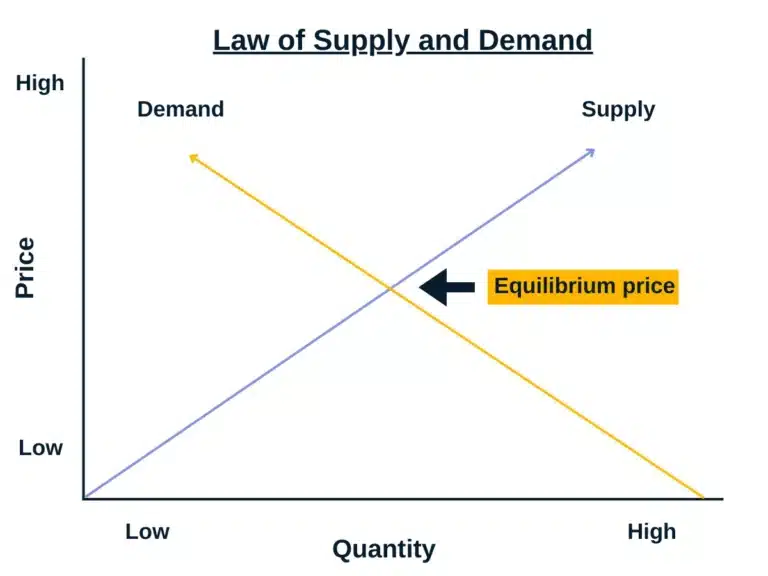
    For new investors, these movements can seem random. In reality, stock prices are determined by a continuous interaction between buyers and sellers. Supply and demand provide the basic mechanism, while expectations about a company’s future, economic conditions, interest rates, news, and investor sentiment all influence that balance.

    Understanding how prices are formed makes it easier to interpret movements in the stock market.

    Buyers and Sellers Determine the Price

    A stock does not have one permanent value throughout the trading day.

    Instead, the market continuously matches buyers who want to purchase shares with sellers who are willing to sell them.

    A buyer might submit an order indicating the maximum price they are willing to pay. A seller might indicate the minimum price they are willing to accept.

    When compatible orders meet, a transaction can occur.

    The most recent price at which a trade occurred is generally what you see quoted as the current market price.

    This means the displayed stock price is not necessarily a precise calculation of what the company is “worth.” It represents the latest price at which buyers and sellers agreed to exchange shares.

    What Happens When Demand Increases?

    Suppose many investors become interested in a particular company’s stock.

    More people may want to buy shares, but existing shareholders may not be willing to sell at the current price. Buyers may then have to offer increasingly higher prices to convince sellers to transact.

    As buying pressure increases, the stock price can rise.

    This can happen after strong earnings, a major business announcement, an improved economic outlook, or simply because investors become more optimistic about the company’s future.

    The important point is that increased demand can push prices upward even before the company’s financial results actually change.

    What Happens When Selling Pressure Increases?

    The opposite can also occur.

    If investors become concerned about a company’s future, more shareholders may decide to sell.

    If there are not enough buyers willing to purchase shares at the existing price, sellers may have to accept lower prices to complete their trades.

    The stock can therefore decline as selling pressure increases.

    A falling price does not necessarily mean the company has suddenly become less valuable in every fundamental sense. It means investors are currently willing to pay less for its shares.

    Expectations Matter

    Stock prices are heavily influenced by expectations about the future.

    Investors are not simply buying a company based on what it earned last year. They are also considering what they believe the company might earn in the future.

    For example, a company could report strong current profits while its stock price falls if investors expected even better results.

    Conversely, a company with weak current earnings could see its stock price rise if investors believe its future prospects are improving.

    This is why stock prices can sometimes move in unexpected directions after earnings announcements.

    The market is responding to new information relative to existing expectations.

    News Can Move Prices Quickly

    New information can change the balance between buyers and sellers almost immediately.

    Announcements about earnings, new products, acquisitions, regulatory decisions, management changes, lawsuits, or major contracts can all affect investor expectations.

    Economic news can also influence stock prices.

    Changes in interest rates, inflation data, employment reports, and economic growth expectations can affect how investors value companies.

    When new information significantly changes expectations, large numbers of investors may adjust their positions at the same time, producing rapid price movements.

    Investor Sentiment Matters

    Not every price movement can be explained by a simple change in a company’s financial performance.

    Investor sentiment can have a major influence on markets.

    When investors are optimistic, they may be more willing to pay higher prices for stocks because they expect future growth.

    When fear spreads through the market, investors may sell even companies with otherwise solid financial positions.

    This can create periods when stock prices move sharply because of changing confidence rather than a major change in the underlying business.

    The Role of Market Orders and Limit Orders

    The way investors place trades can also affect short-term price movements.

    A market order generally instructs a broker to execute a trade at the best available price. A limit order specifies a maximum purchase price or minimum selling price.

    For example, an investor might place a limit order to buy a stock only if it falls to a certain price.

    These orders contribute to the pool of potential buyers and sellers in the market.

    The collection of available buy and sell orders is often referred to as the order book. It provides information about prices at which market participants are currently willing to trade.

    Why Large Stocks Can Still Move Quickly

    Large companies can have enormous numbers of shares available for trading, but their prices can still change significantly.

    If new information causes millions of investors to reassess a company’s prospects, the number of buyers and sellers willing to transact at previous prices can change rapidly.

    Large institutional investors can also execute substantial transactions, potentially affecting short-term supply and demand.

    However, a large trading volume does not necessarily mean a stock is moving in one particular direction. High volume simply indicates that many shares are changing hands.

    Market Capitalization Is Different From Stock Price

    A common misunderstanding is that a company with a higher share price is necessarily more valuable than a company with a lower share price.

    That is not necessarily true.

    A company’s market capitalization is generally calculated by multiplying its share price by the number of shares outstanding.

    A company with a $50 stock price and two billion shares could therefore have a much larger market value than a company with a $200 stock price and only 100 million shares.

    The share price alone does not tell you how large or valuable a company is.

    Stock Prices Can Be Influenced by Broader Markets

    Individual companies do not operate in isolation.

    A strong market-wide rally can increase demand for many stocks simultaneously. Likewise, a major economic shock can cause investors to reduce exposure to equities across multiple industries.

    Interest rates are particularly important because they influence borrowing costs and can affect how investors value future corporate earnings.

    This is why a company’s stock can sometimes fall even when there has been no major negative development within the business itself.

    Price Is Not the Same as Value

    The market price of a stock is the result of current transactions, while an investor’s estimate of the company’s underlying value may be very different.

    Some investors attempt to identify stocks they believe are trading below their estimated value. Others focus on growth expectations, momentum, income, or other factors.

    There is no single universally accepted method for determining what a stock should be worth.

    That disagreement is actually part of what makes a market possible. Buyers believe an asset is worth purchasing at a particular price, while sellers may believe they can receive a better price elsewhere.

    Understanding the Market Price

    Stock prices are ultimately determined by the continuous interaction of buyers and sellers.

    Supply and demand establish the immediate trading price, while expectations, financial results, economic conditions, interest rates, news, and investor psychology influence those decisions.

    A stock price therefore represents much more than a company’s current profits. It reflects what market participants collectively believe about the company’s future and how much they are willing to pay based on that belief.

    Once you understand this process, daily market movements become easier to interpret. Instead of seeing prices as random numbers moving up and down, you can view them as constantly changing signals of what investors are willing to pay for future potential.

  • What Are Financial Markets and How Do They Work?

    What Are Financial Markets and How Do They Work?

    Financial markets are a fundamental part of the global economy. They allow individuals, businesses, governments, and financial institutions to buy and sell assets, raise capital, manage risk, and move money between different parts of the economy.

    When people hear the term “financial markets,” they often think about stock exchanges and traders watching prices move throughout the day. But financial markets are much broader than the stock market.

    They include markets for stocks, bonds, currencies, commodities, and other financial instruments. Understanding how these markets work provides a useful foundation for understanding the broader economy and the investments people use to build wealth.

    What Is a Financial Market?

    A financial market is a system where financial assets are bought and sold.

    The assets traded can include company shares, government and corporate bonds, currencies, commodities, and various other securities.

    Financial markets connect people and organizations with different financial needs.

    An investor may have money available and want to earn a return. A company may need money to expand its business. A government may need to borrow to finance spending.

    Financial markets provide mechanisms that allow these different participants to interact.

    The Stock Market

    The stock market is one of the most recognizable financial markets.

    Companies can raise money by issuing shares of ownership to investors. Once shares are available for trading, investors can buy and sell them through stock exchanges and other market infrastructure.

    Stock prices change as buyers and sellers interact.

    If investors believe a company’s future earnings will improve, demand for its shares may increase, potentially pushing the price higher. If expectations deteriorate, investors may sell, causing the price to decline.

    Millions of transactions can occur across global stock markets every day.

    The Bond Market

    The bond market is another major part of the financial system.

    When an organization issues a bond, it is effectively borrowing money from investors. The issuer generally agrees to make interest payments and return the principal according to the terms of the bond.

    Governments are major participants in bond markets, but companies and other organizations also issue bonds.

    Bond prices can change after they are issued. Interest rates, inflation expectations, credit risk, and economic conditions can all influence their value.

    This means bonds are not simply fixed investments that remain unchanged until maturity.

    The Foreign Exchange Market

    The foreign exchange market, often called the forex market, is where currencies are traded.

    Currencies are constantly exchanged for international trade, investment, tourism, financial transactions, and other purposes.

    For example, a company importing products from another country may need to exchange its domestic currency for the currency used by its supplier.

    Currency values fluctuate based on factors such as interest rates, economic conditions, inflation expectations, trade flows, and investor sentiment.

    Unlike many traditional stock exchanges, the foreign exchange market operates through a global network rather than a single centralized exchange.

    Commodity Markets

    Commodity markets involve the trading of physical resources and products.

    Common commodities include crude oil, natural gas, gold, silver, agricultural products, and industrial metals.

    Businesses use commodity markets to manage their exposure to changing prices. For example, an airline may be affected significantly by changes in fuel prices, while a food producer may be exposed to agricultural commodity prices.

    Investors and traders can also use commodity-related financial instruments to speculate on price movements or diversify their portfolios.

    Primary and Secondary Markets

    Financial markets can also be divided into primary and secondary markets.

    The primary market is where new securities are issued.

    For example, when a company sells shares to investors for the first time through an initial public offering, the transaction takes place in the primary market. Governments and companies can also raise money by issuing new bonds.

    The secondary market is where existing securities are bought and sold between investors.

    When you purchase shares of a publicly traded company from another investor, you are generally participating in the secondary market.

    This distinction is important because the primary market helps organizations raise capital, while the secondary market provides liquidity for existing investors.

    Why Financial Markets Matter

    Financial markets help capital move through the economy.

    Businesses can obtain funding for expansion, research, equipment, hiring, and other activities. Governments can borrow money to finance spending and public projects.

    Investors, meanwhile, have opportunities to earn returns by providing capital.

    Financial markets also help determine prices.

    The interaction between buyers and sellers provides information about what participants are currently willing to pay for different assets.

    Prices are influenced by expectations about future conditions, not just what is happening today.

    The Role of Supply and Demand

    Supply and demand are central to financial markets.

    When demand for an asset increases relative to its available supply, its price can rise. When sellers become more numerous or buyers become less willing to pay existing prices, the price can decline.

    However, financial markets are influenced by far more than simple buying and selling.

    Economic data, company earnings, interest rates, political developments, technological changes, inflation, and investor expectations can all affect demand.

    This is why asset prices can sometimes move dramatically when new information becomes available.

    Financial Markets Can Be Volatile

    Prices do not move in a straight line.

    Markets can experience periods of strong growth followed by sharp declines. Unexpected economic developments, financial crises, changes in interest rates, or shifts in investor confidence can create significant volatility.

    Volatility is a normal feature of financial markets, but it also creates risk.

    Investors who understand this are less likely to assume that recent market performance will continue indefinitely.

    Financial Markets Are Connected

    The different financial markets do not operate independently.

    Changes in one market can affect others.

    For example, higher interest rates can influence bond prices, stock valuations, currency values, borrowing costs, and commodity demand.

    A major economic event can therefore produce simultaneous movements across several asset classes.

    Understanding these relationships can help investors interpret market developments instead of looking at individual assets in isolation.

    Financial Markets and the Economy

    Financial markets play an important role in economic activity by connecting capital with opportunities.

    They help businesses raise money, governments finance operations, and investors participate in economic growth.

    At the same time, markets reflect expectations about the future. Stock prices, bond yields, currency values, and commodity prices can all provide information about how investors view economic conditions.

    Financial markets are therefore both a mechanism for allocating capital and a constantly changing reflection of expectations about the economy.

    For investors, learning how these markets function is an important first step toward understanding why asset prices move and how different financial instruments fit into the broader financial system.