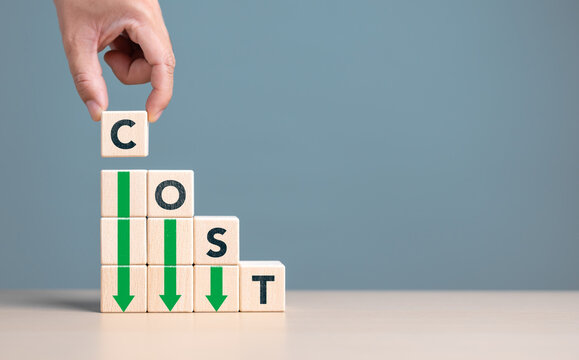
Reducing monthly expenses can create more room for saving, investing, and paying down debt. However, cutting costs doesn’t mean you have to eliminate everything that makes your life enjoyable.
The most effective approach is to identify expenses that provide little value and redirect that money toward priorities that matter more.
Start by Reviewing Your Spending
Before cutting expenses, determine where your money is currently going.
Review several months of bank and credit card statements and group your purchases into categories such as housing, food, transportation, entertainment, subscriptions, shopping, and utilities.
Small purchases can be easy to overlook because each individual transaction may seem insignificant. When repeated throughout the month, however, they can represent a meaningful portion of your income.
Having accurate spending information makes it easier to identify where changes could have the greatest impact.
Separate Essential and Discretionary Expenses
Not every expense should be treated the same way.
Essential expenses are generally necessary for maintaining your household and meeting important obligations. These can include housing, utilities, groceries, transportation, and debt payments.
Discretionary expenses are more flexible. Restaurants, entertainment, subscriptions, shopping, and other lifestyle purchases usually fall into this category.
Start by examining discretionary spending. Reducing flexible expenses is often easier than making major changes to essential costs.
Review Your Subscriptions
Subscriptions are one of the easiest areas to overlook.
Streaming services, software, memberships, apps, online services, and other recurring payments can continue charging your account even when you rarely use them.
Make a list of every recurring subscription and ask whether you still use it regularly.
If you have several similar services, consider keeping only the ones you use most.
Even eliminating a few small subscriptions can create recurring savings that continue every month.
Reduce Food Costs Without Eliminating Convenience
Food can be another major area of flexible spending.
Eating at restaurants, ordering delivery, buying prepared meals, and purchasing coffee frequently can add up quickly.
You don’t need to eliminate these expenses completely. Instead, consider reducing their frequency.
Planning several meals in advance and preparing food at home can reduce spending while still allowing you to keep some meals or social occasions outside the home.
You can also compare grocery prices, reduce food waste, and use ingredients across multiple meals.
Examine Your Transportation Costs
Transportation expenses can include fuel, public transportation, parking, maintenance, insurance, and vehicle financing.
Review how much transportation actually costs you each month.
If you drive frequently, combining errands into fewer trips may reduce fuel consumption. Public transportation, carpooling, walking, or cycling may also be practical alternatives for some journeys.
If you have a vehicle loan, refinancing may sometimes reduce the cost, although this depends on the interest rate, fees, remaining term, and your financial circumstances.
Look at Your Utility Bills
Utilities are necessary expenses, but there may still be opportunities to reduce them.
Review electricity, water, heating, internet, and mobile phone costs.
Simple changes such as improving energy efficiency, reducing unnecessary usage, or switching to a more suitable service plan can sometimes lower recurring bills.
Compare your current plans with what you actually need. Paying for features or data you rarely use may provide an opportunity to cut costs without significantly changing your lifestyle.
Be Careful With Impulse Purchases
Impulse purchases can make it difficult to stick to a spending plan.
One useful strategy is to introduce a waiting period for nonessential purchases.
Instead of buying something immediately, wait 24 hours or longer before deciding. For more expensive purchases, you might wait a week.
This gives you time to determine whether you genuinely need the item or simply reacted to a temporary desire.
You may discover that many purchases feel less important after the initial excitement disappears.
Compare Prices Before Major Purchases
For expensive purchases, spending a little time comparing prices can make a meaningful difference.
Research different retailers, product alternatives, warranties, financing terms, and potential discounts.
However, avoid choosing an option solely because it has the lowest initial price. Consider quality, durability, maintenance costs, and how long you expect to use the product.
The cheapest option isn’t always the least expensive over its entire useful life.
Avoid Lifestyle Inflation
As income increases, spending often increases as well.
A raise can lead to a larger apartment, a more expensive vehicle, more frequent travel, or additional subscriptions.
Improving your lifestyle isn’t necessarily a problem, but allowing every increase in income to become additional spending can prevent your financial position from improving.
Consider directing at least part of each income increase toward savings, investments, or debt repayment.
Focus on High-Impact Changes
Not every expense deserves the same amount of attention.
Saving $5 on a small purchase is useful, but reducing a recurring $200 expense can have a much larger effect on your finances.
Look at major categories such as housing, transportation, debt interest, and recurring services before spending excessive time optimizing tiny purchases.
A few meaningful changes can often produce better results than trying to eliminate every small expense.
Give Yourself a Spending Allowance
A budget that eliminates all discretionary spending can be difficult to maintain.
Instead, consider giving yourself a fixed amount each month for entertainment, dining, hobbies, or other personal purchases.
Once that amount is spent, wait until the next budgeting period before spending more in that category.
This creates boundaries without requiring you to completely remove enjoyable activities from your life.
Redirect the Money You Save
Cutting expenses is most useful when the money has a clear destination.
If you reduce your monthly expenses by $150, decide what will happen to that $150.
You could add it to an emergency fund, increase debt payments, contribute to investments, or save toward a specific financial goal.
Without a destination, the money may simply be spent elsewhere.
Make Changes You Can Maintain
Reducing unnecessary expenses shouldn’t require completely changing your lifestyle.
Start by reviewing your spending, identifying low-value purchases, and focusing on recurring or high-impact costs.
Make a few changes that you can maintain consistently, then review the results after several months.
The objective isn’t to spend as little as possible. It is to make sure the money you spend provides enough value while directing more of your income toward the financial goals that matter most.
Leave a Reply